We See You.
If you are a behavior specialist, a regional caseworker, SPED teacher, or an agency director in the I/DD field, you did not choose this career to manage numbers or audit compliance tracking charts. You entered this field because you believed in human potential. You wanted to protect vulnerable individuals, open doors for them, and help them claim their place as full, independent citizens in our communities.
Yet sometimes the nonspeaking or minimally verbal individuals you serve…
- Exhibit violent behaviors that make restraint and/or seclusion a safety necessity;
- Are so disruptive in the classroom that it frequently becomes necessary for them to be removed;
- Flatly refuse medical care and have to be sedated for most of their exams and procedures;
- Are unable or unwilling to participate in activities that would benefit them, such as making dietary changes or following a regular exercise program;
- Cannot or will not cooperate with basic safety rules, like keeping their seatbelt on in the van, or crossing the street at the crosswalk;
- Cannot or will not comply with the appropriate physical boundaries set by others, and have no idea of setting appropriate physical boundaries with others, so are at high risk of becoming either an offender, or being assaulted, or both;
- Go from calm and happy to dangerously explosive in three seconds, so that most support professionals are unwilling to work with them;
- Cannot tolerate the slightest deviation from routine or change of plan without a behavioral meltdown;
…and traditional Positive Behavior Support is just not working.
These individuals escalate up the PBIS levels again and again until the only way to keep them and others safe is more restraint and more seclusion, and you fear that eventually an expensive high security residential placement will become their only option.
Modern research indicates that “one size does not fit all”, and some nonverbal or minimally verbal individuals may not respond to compliance-based support because it feels threatening, however well-meaning or experienced the therapist. Once the individual feels threatened, they are unable to learn. In their minds, they are literally fighting for their life.
The ALIGN method was designed for these individuals.
What's inside?
Person Centered Support
Person centered support is the “action step” of person centered planning, and this is our role on the team. As DSPs it is important for us to remember that the individuals we serve are in the driver’s seat of their own lives, that they get to decide what constitutes a good life and how they want to live it; and that this right is not just a nice idea - it’s protected by federal regulations.
Read more about Person Centered Support.
Activities of Daily Living
Activities of daily living (ADLs) are the very specific things, unique to each client, that we DSPs get paid to assist them with every day. They are called “activities of daily living” because they are all the things that a young, healthy person without a disability would not need help with in their day to day life under normal circumstances.
Read more about Activities of Daily Living.


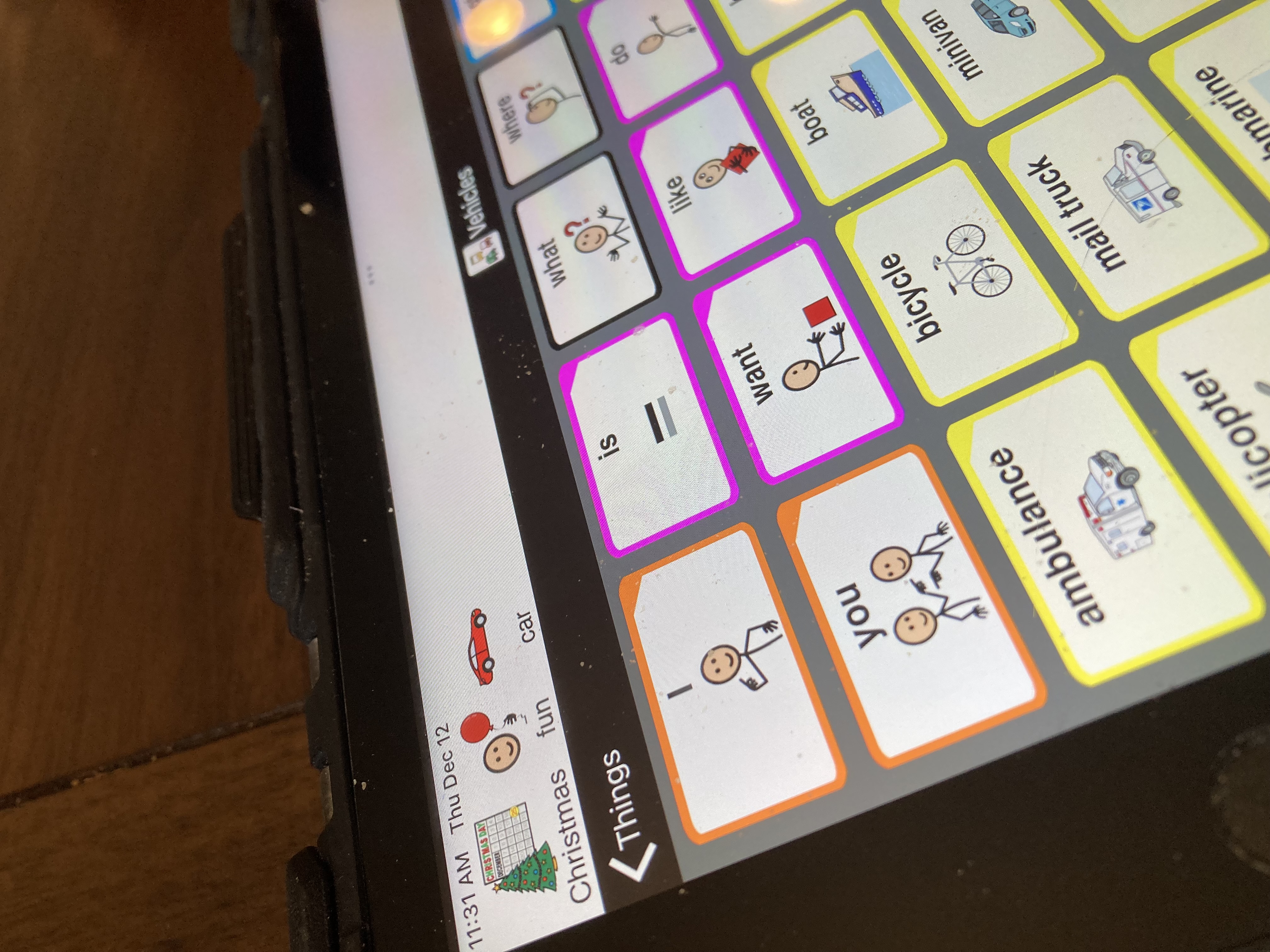
That time my client wanted to go for a drive in the neighborhood, listen to carols, and look at Christmas lights!